April 8, 2024
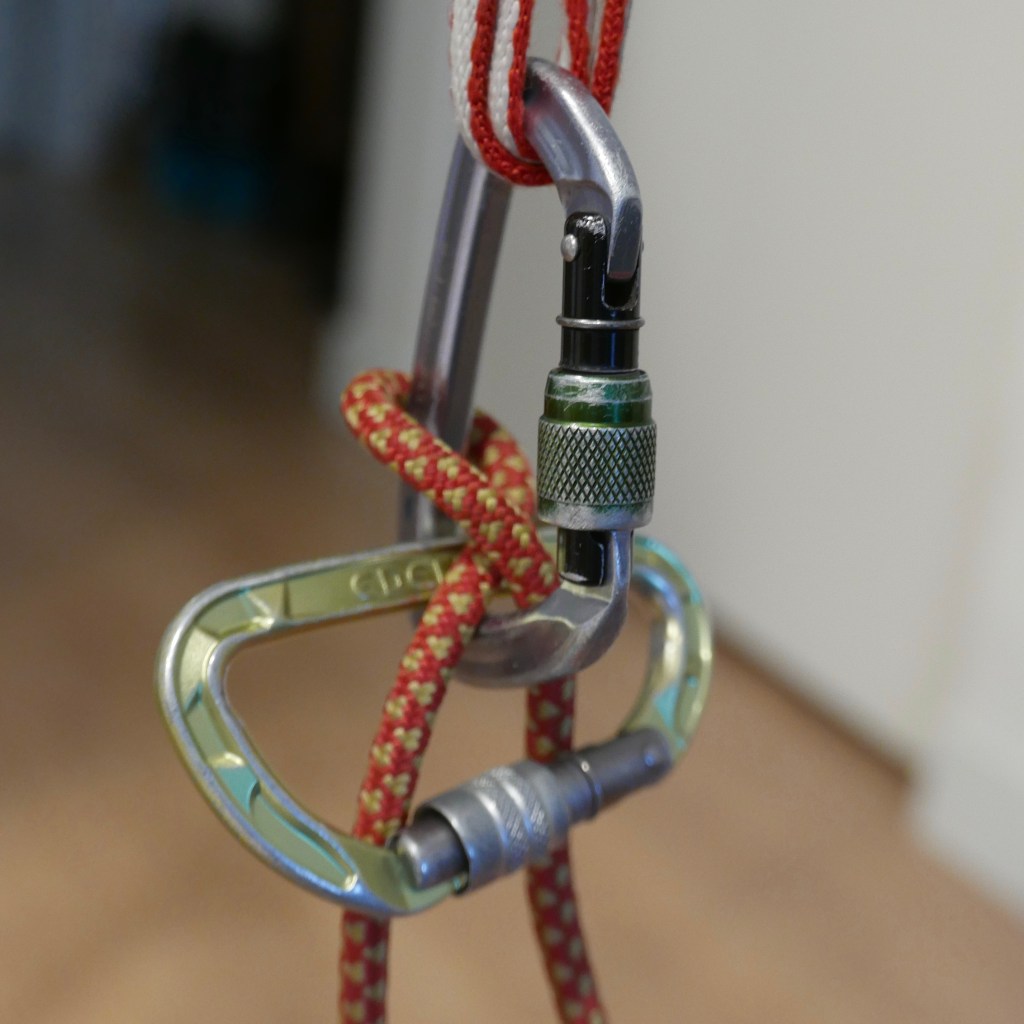
Progress capture hitches seem to be a bit of a lost skill with modern gear, few climbers seem to be familiar with them. Although these hitches don’t really have a place in your everyday rope systems, they can be incredibly useful in self rescue systems or in place of dropped gear. The C&F Belay Hitch is not very well known, but in my experience is the most versatile of these hitches. The garda hitch, or autolocking munter variations are much better known, but have many more limitations on their practicality.
C&F Belay Hitch Compared to Other Progress Capture Hitches
The Garda Hitch is probably the best known out of the progress capture hitches and is noted in most texts on climbing self rescue. The two main disadvantages of it is that it is very picky about carabiner selection and has many failure modes. The autolocking munter variations are much more reliable but all have a lot of friction, which make them cumbersome to use to ascend ropes and in haul systems.
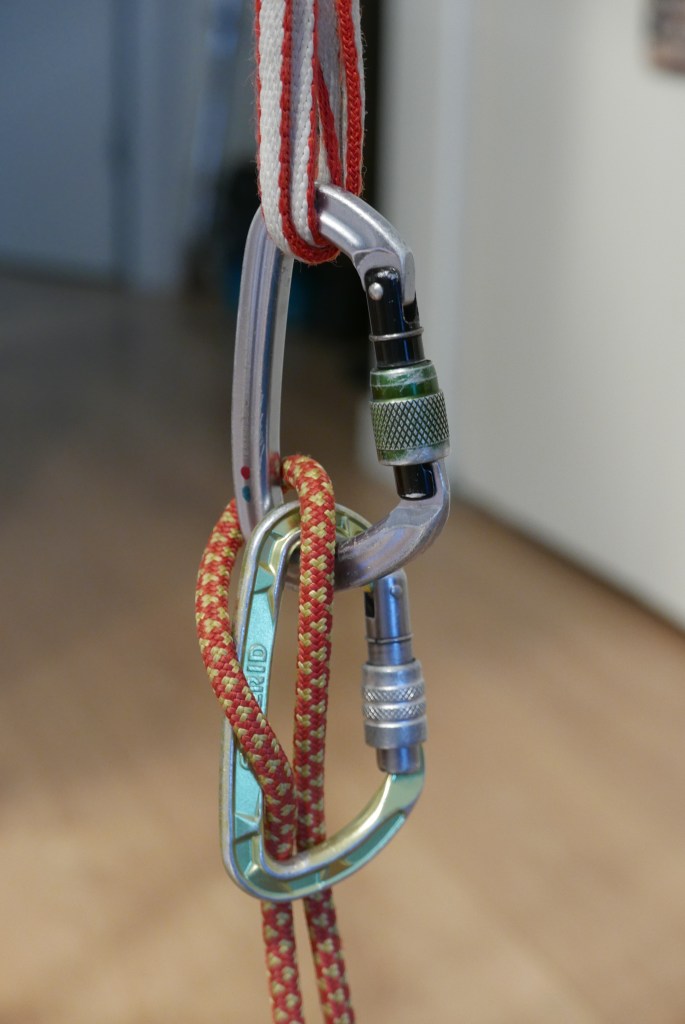
The C&F Belay Hitch (named after its creators Robert Chisnall & Jean-Marc Fillion) is not very picky about carabiners, is very reliable and secure, and has less friction than autolocking munter hitches. I have also seen this hitch listed as the “Lorenzi Hitch” the only difference seeming to be the orientation of the lower carabiner.
There is a huge variation in ropes and carabiners and I would recommend testing it with your own gear. I have found it works well with an impressive range of ropes/cords and carabiners. Although I have not been able to find any significant failure modes, I would use some sort of backup and avoid having this hitch as a single point of failure in my rope systems.
How to tie C&F Belay Hitch

Note: It is important to have both the load and unloaded side of the rope clipped into the second carabiner. This prevents this hitch capsizing and failing.
Convert to Lower
To convert to a lower, unclip the top load strand from the carabiner. This converts the hitch to a carabiner wrap that provides sufficient friction to control the brake strand. Note that the load strand needs to be fully unweighted for this load transfer. If you have a free hanging or unconscious load this will require a haul system on the load strand to transfer the load off of the hitch.
Sources:
Chisnall, R. (1984). Rock Climbing Safety Manual . Ontario Rock Climbing Association.
 Sandro Summits
Leave a comment